
Everything in one place
Centralize all your events in one place, easily access and manage your event details, update registrations, and download important documents.

In an operating environment defined by rapid technological change, shifting stakeholder expectations, evolving workforce demographics, and increasing uncertainty, modern boards must be agile, informed, and forward-looking.
This event is designed to help boards move beyond reviewing past performance to actively prepare for what lies ahead. Join industry leaders, experts from the Chartered Governance Institute (CGI), Lead To and the UK Cyber Security Council, and fellow professionals for a day of forward-facing insights, practical strategies, and collaborative discussions.
Discover how to future-proof your organisation through sessions covering future-facing governance, AI integration, cyber security, human dynamics, structural complexity, and transparent accountability.
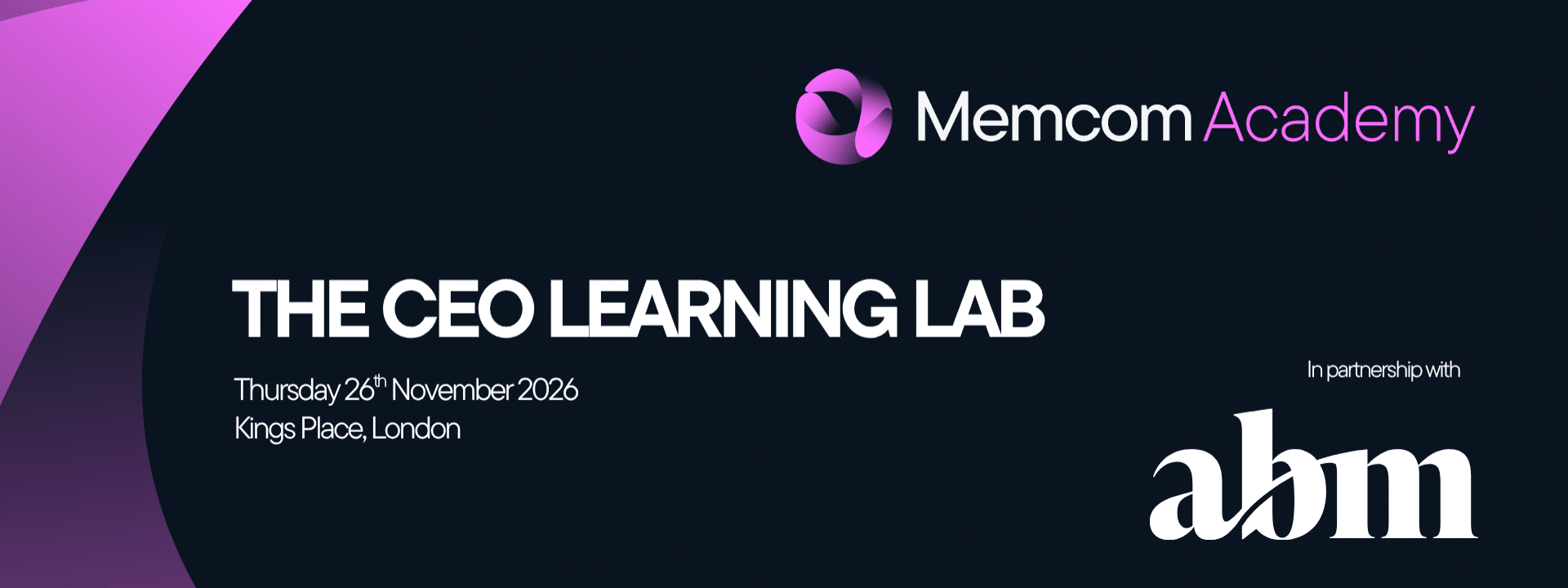
► Thursday 24th September 2026
► InterContinental London Park, One Hamilton Place, Park Ln, London W1J 7QY
► Timings:
13:30pm - 14:00pm - Registration
14:00pm - 17:00pm - Learning Programme
17:00pm - 18:00pm - Networking Drinks
18:00 - Late - The Memcom Excellence Awards Ceremony
► Dress code:
► Ticket Prices:
Ticket Type |
Standard Price |
Excellence Awards Ceremony
|
| Memcom Members |
£99 |
Awards tickets includes your all-access pass to the entire day: the governance learning programme, networking drinks, and the Awards - Buy Now |
| Non-Profit | £199 | Awards tickets includes your all-access pass to the entire day: the governance learning programme, networking drinks, and the Awards - Buy Now |
| Corporate | Corporate attendance to this event to official Memcom sponsors. To learn more about becoming a sponsor, email Michael@memcom.org.uk |
|
Already booked your Memcom Awards tickets? Contact Memcom to add your name to the guest list today.
Please note this programme may change
13:30 — 14:00
In this plenary conversation, Peter Swabey (Policy Director at CGI) leads a dialogue with Terri Le Couteur and Claire Robson exploring how modern boards can move beyond reviewing past performance to actively prepare for what lies ahead. The discussion addresses practical strategies for AI integration, cultivating cultures of openness, and demonstrating organisational integrity through consistent actions and decisions.


In an era where trust is fragile and scrutiny is relentless, reputational risk and fraud have become existential threats for membership organisations. This session explores how boards can detect early warning signals, respond decisively, and build cultures that prevent reputational damage before it starts. Terri will unpack real‑world patterns, governance blind spots, and the behavioural dynamics that allow fraud and reputational drift to take root. The session includes a live panel discussion on emerging risks, cultural vulnerabilities, and practical board‑level interventions that strengthen organisational resilience.
15:40 - 16:10
Membership bodies are complex by their nature. They often bring together members, volunteers, employees, Board members, trustees, tutors, trainers, assessors, committee members and representatives of different communities or professional groups.
The same person may have several relationships with the organisation at the same time. They may be a member in one setting, a volunteer or trainer in another, and a Board or committee member when contributing to formal decisions. Each relationship can create value, but it may also carry different expectations, responsibilities, accountabilities and potential conflicts.
Alongside this relational complexity, membership bodies may have multiple boards, committees, advisory groups, regional structures, delivery arrangements and lines of accountability. Governance therefore needs to work across both:
This session will explore how organisations can make the most of those different relationships while maintaining consistent standards of decision-making, conduct, inclusion, assurance and accountability.

13:30 — 14:00
This session, led by experts from Lead To focuses on equipping boards with the tools and insights to build high-performing governance boards and ensure robust succession planning.
Participants will explore the human dynamics that underpin effective governance and examine how organisations can build engaged, high-performing boards and committees. Through collaborative discussions and real-world examples, attendees will learn how to build more productive relationships, navigate conflict positively, support and motivate volunteer leaders, and build a board that benefits from both specialist knowledge and a breadth of perspectives.


15:40 - 16:10
This session examines how governance practices can strengthen legitimacy and deepen engagement with members and stakeholders.
We will explore the foundational elements of trustworthy governance, including transparent decision-making processes, effective reporting systems, clear and consistent communication, robust accountability mechanisms, and meaningful stakeholder engagement.
Attendees will gain practical insights into cultivating a culture of openness within their organisations and demonstrating organisational integrity through consistent actions and decisions. The discussion covers how to translate these principles into tangible outcomes - strengthening relationships with members, regulators, and other key stakeholders, while building lasting confidence in the organisation's governance approach.
Ultimately, the session equips boards to use transparency and accountability not as compliance exercises but as strategic tools for building resilient stakeholder relationships that support long-term organisational success.


17:00 - 18:00
13:30 — 14:00
As cyber threats continue to grow in scale, sophistication, and impact, effective governance is no longer solely a technology issue. It has become a critical boardroom responsibility. From ransomware and supply chain attacks to the opportunities and risks presented by artificial intelligence, organisations across every sector face an increasingly complex cyber landscape that demands informed leadership and robust oversight.
In this session, Giles Grant, CEO of the UKCSC, will explore how boards, executives, and membership organisations can strengthen organisational resilience through good cyber governance. Drawing on developments across government policy, professional standards, workforce skills, and the growing professionalisation of cyber security, Giles will discuss why cyber competence is becoming an essential component of good governance and public trust.
The presentation will examine the role of leadership in understanding cyber risk, the importance of professional standards and workforce development, and how membership organisations can support their members in navigating an evolving threat environment. Attendees will gain practical insights into the governance questions leaders should be asking, the capabilities organisations should be developing, and the contribution professional bodies can make in raising standards across the wider economy.
At a time when cyber security is increasingly recognised as a strategic and societal challenge, this session will highlight how effective governance, professional competence, and collective leadership can help organisations build resilience, maintain trust, and thrive in a digital world.
Key themes:
Cyber security as a board-level governance issue
The changing threat landscape and emerging risks
Professionalisation and cyber competence
Building organisational resilience and trust
The role of membership organisations in raising standards
Cyber governance in the age of AI

15:40 - 16:10
Most membership organisations are further along with AI than their governance is. Staff are already using public chatbots on personal accounts, a supplier is pitching an agent that promises to answer member enquiries on its own, and nobody has written down what the organisation will and won't allow.
This session sets out a practical sequence for getting from that position to one a board can stand behind. It covers the five stages of AI adoption, why they only work in order, and where the governance work actually sits (stage three, and it is the stage most organisations skip). It introduces the four levels of agency an AI agent can be given, from read-only through to acting alone, and why choosing that level per task is the single most useful control a board has.
Attendees will leave with the questions to ask their executive team, the small set of things worth writing down before any agent is switched on, and a realistic view of what goes wrong and how to catch it early.

17:00 - 18:00
If you would like to get involved please email Michael@memcom.org.uk to get a copy of our prospectus.






Manage all your registrations in one place
or
Already have an account?
Login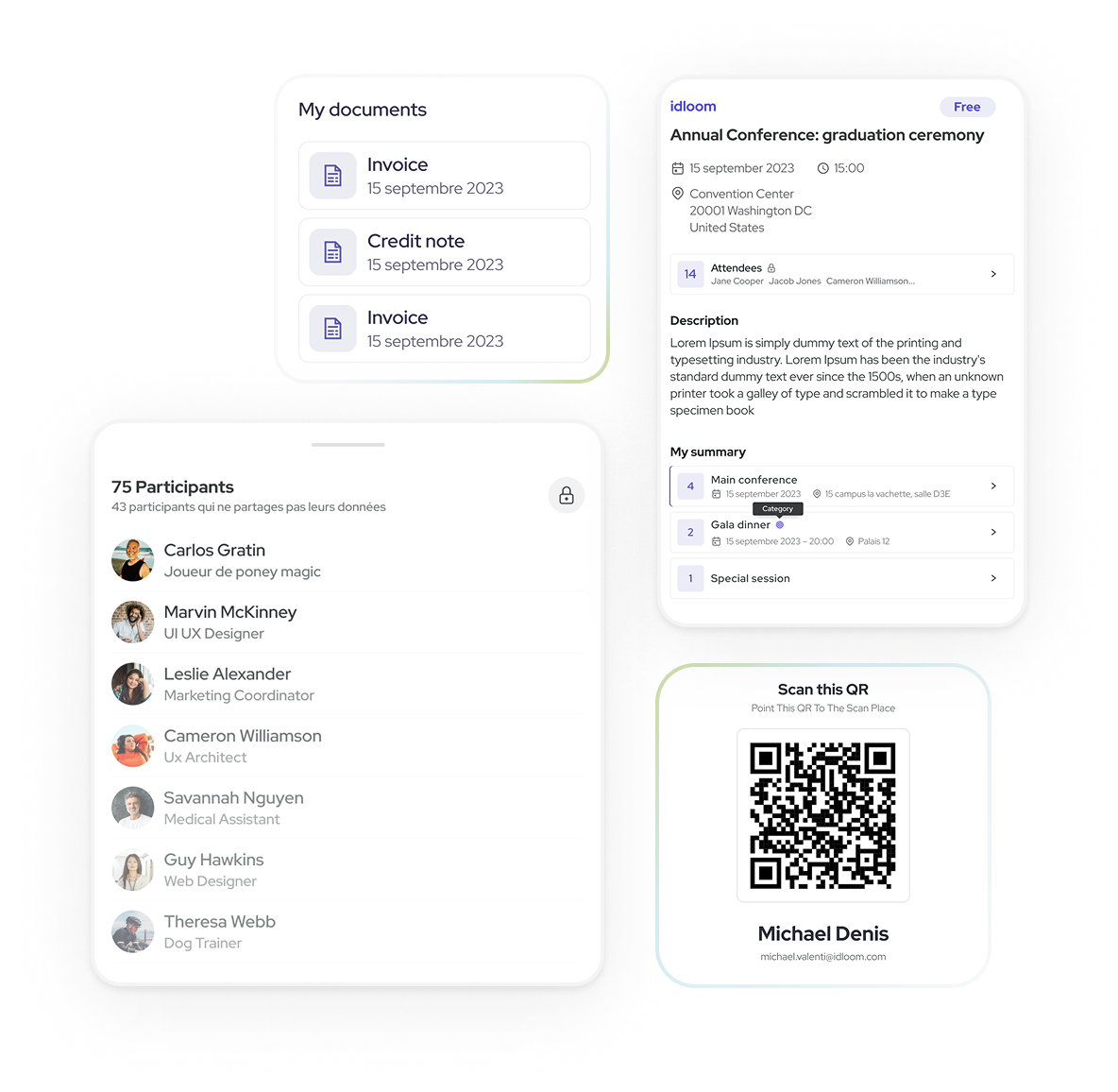
Centralize all your events in one place, easily access and manage your event details, update registrations, and download important documents.